UNSTUCK Recap: What You Read The Most In 2025



It's that time of year again.
The Netflix stats are in (you probably watched K-Pop Demon Hunters like everyone else), Google has told us what’s trending, and brands everywhere are compiling their "Best of 2025" lists because, well, everyone else is doing it.
Here at UNSTUCK, we let you decide what mattered most. Your opens, clicks and shares told us which ideas cut through the noise of another tumultuous year for sustainable food.
Here are the UNSTUCK top 5 most read articles of 2025.
#5: How many categories should you stretch your brand to?
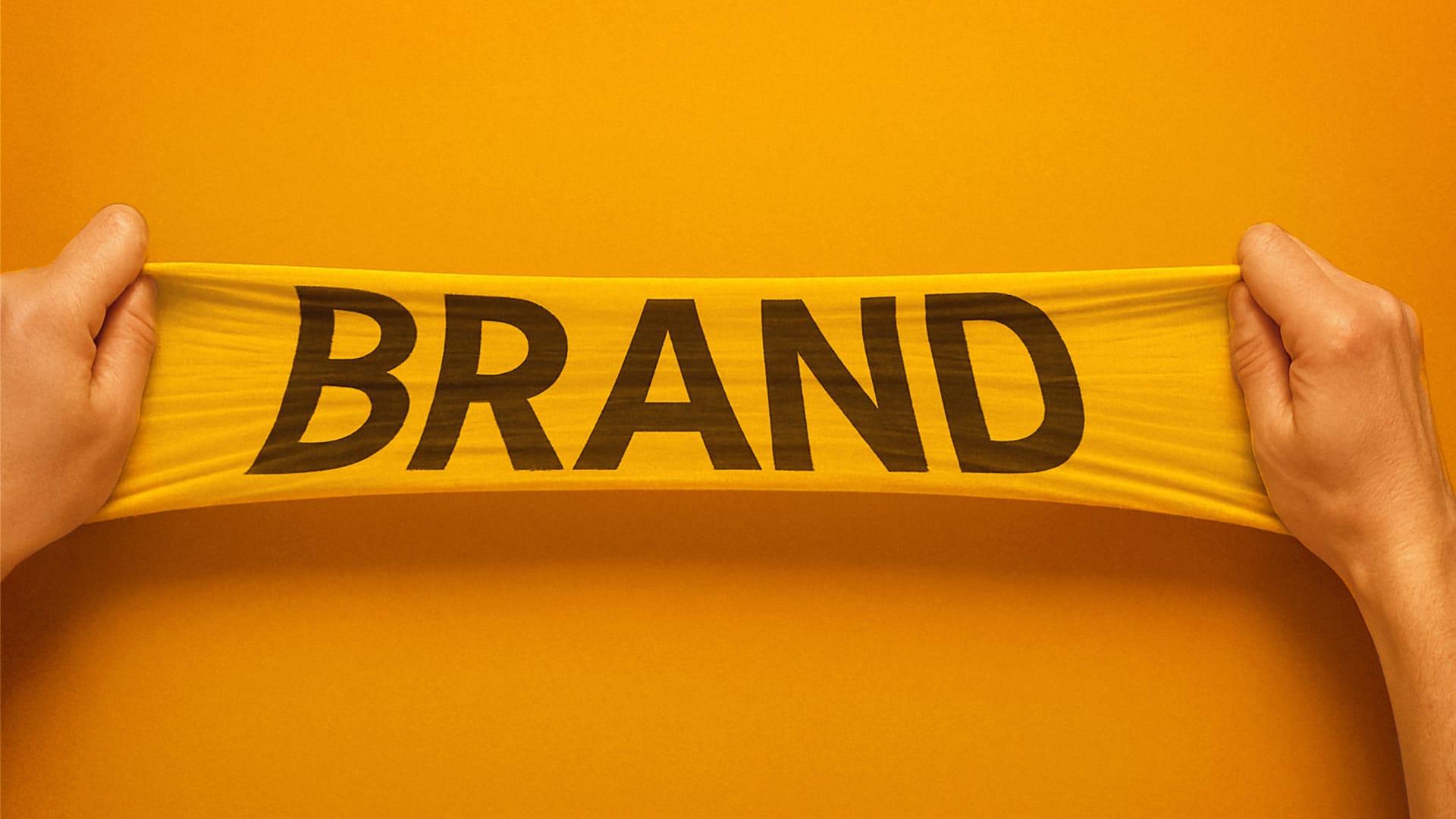
For most sustainable food brands, the answer is probably none.
You resonated with this because too many founders confuse what their technology can make with what consumers actually want to buy from them. Then 2025 delivered the proof: Tindle, which stretched from plant-based chicken into sausages, ice cream, and oat milk, pivoted entirely to unbranded private-label manufacturing and exited the US. From multi-category dreams to white-label pragmatism in one brutal market correction.
Focus wins. Always has, always will.
#4. Lifting the Lid on Vivici’s Marketing Strategy
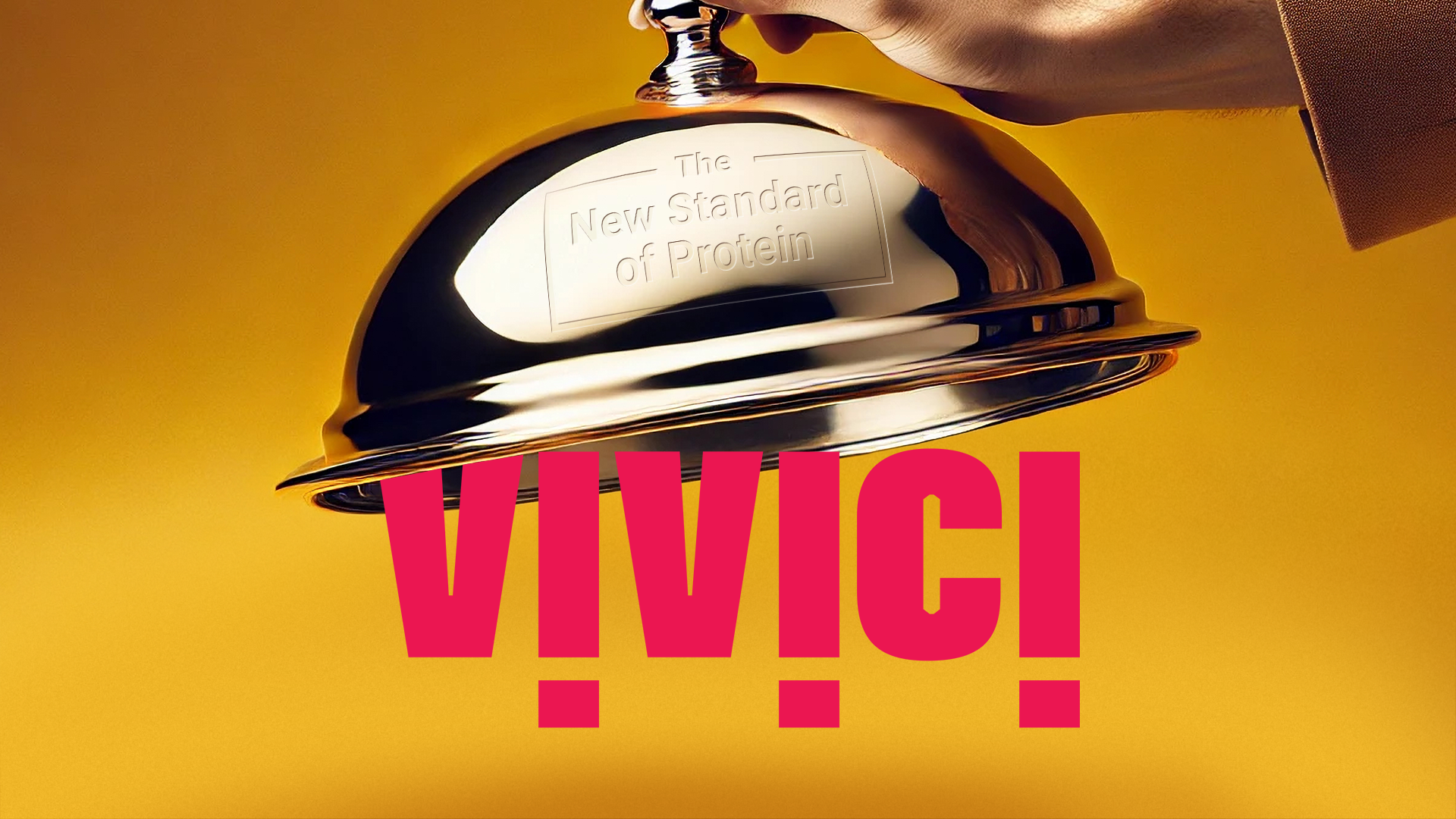
How the disciplined application of proven marketing techniques leads to success.
2025 started with an investment bang with Vivici, the company making the potential of protein from precision fermentation a commercial reality, announcing their $34million Series A funding round. You wanted to understand how they emerged from the so-called funding winter. We laid out how applying the fundamentals with consumer and customer centricity leads to success (from our vantage of having worked closely with Vivici).
Getting the basics right continues to be a big theme for UNSTUCK.
#3. Future of Food London Hot Takes
Don't choose between impact and commercial success, but figure out how to make one enable the other.
The hot takes from Future of Food showed what we’ve been talking about over two years of UNSTUCK – food system change won’t happen by selling virtue. While the increasingly omnipresent health challenges around our food system is hardly good news, the consumer and what they need and want is finally coming into focus. Future of Food London showed us how solutions that sit at the intersection of consumer and customer needs and innovative supply and production methods can deliver commercial success and impact. Businesses that know how to do this are about to have their moment.
From where we were sitting at the event, we’ll have more to showcase on who is getting it right and why in 2026.
#2. Why We’re (Still) Bullish On Sustainable Food
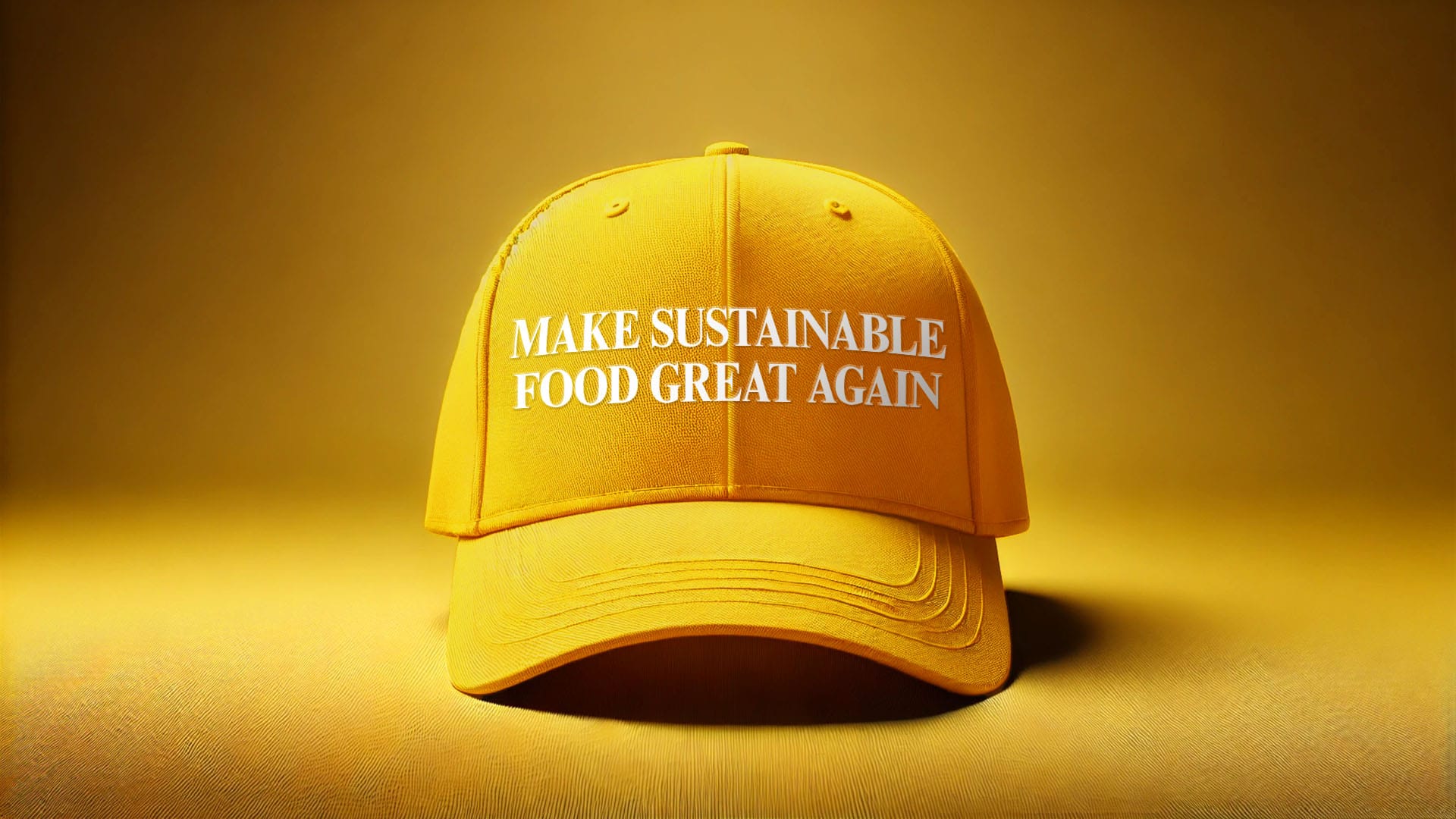
The world’s largest industry has no choice but to transition.
We’re at risk of sounding overly optimistic here, but as a list of your most-read articles that’s what you’re looking for. In February we laid out the case for why, amidst the sense of defeatism in sustainable foods, we remained bullish that change would come. The sheer scale of an industry that is 10% of global GDP - where planetary boundaries are starting to show and trust is being lost in Big Food (we now can add the threat of medication to curb consumer desire to purchase) will have no choice but to adapt.
We predicted with smart money flowing in we’d emerge from the crash of the investment hype cycle and start to see some credible businesses being built. Over the course of the year raises were announced for Vivici, Liberation Labs, Protein Brewery, Formo, Heura Foods and more.
Is the future bright? We certainly think it’s getting brighter.
#1: The Great Mid Drift
As culture swings from extremes to moderation, food can lead the way.
Your most-read article captured the zeitgeist: Eleven Madison Park brought meat back. Oatly toned down the manifesto. Bold Bean Co transcended the meat-vs-plants debate entirely. Then December delivered the ultimate proof point: Tetra Pak, the 70-year-old packaging giant, quietly acquired precision fermentation company Bioreactors.net.
No manifesto, just a 24,000-employee food processing behemoth calmly building fermentation infrastructure because it makes commercial sense. When the establishment stops shouting and starts building, the revolution isn't coming – it's already here.
The future belongs to those who make normal meaningful again.
What 2025 Taught Us
Looking across your top picks, a pattern emerges. You're done with ideology. You're done with fake optimism and catastrophizing in equal measure. What you want is practical guidance on building commercial businesses that happen to change the world.
You want case studies that show how to apply the fundamentals (Vivici). You want to know when to say no (Brand Stretch). You want cultural insight that explains why consumers behave the way they do (Mid Drift). You want permission to stay optimistic without being naive (Bullish). And you want proof that others are winning right now by doing things properly (Future of Food London).
We’ll take that as our brief for 2026, so watch this space.
And if you’re feeling extra generous this holiday season, consider giving us a little gift and sharing this article so we can help more people get UNSTUCK.