UNSTUCK 039: Quarterly Crit With Perfect Ted, Kraft and PepsiCo
A masterclass in range design, and two fad-chasing fails.


It's time for another UNSTUCK quarterly crit (short for critique), where we review new sustainable food launches with a consumer marketing lens. Here are three launches caught our attention this quarter, and sent our respective thumbs pointing 👍 and 👎.
PerfectTed Matcha 👍 👍
A masterclass in range design
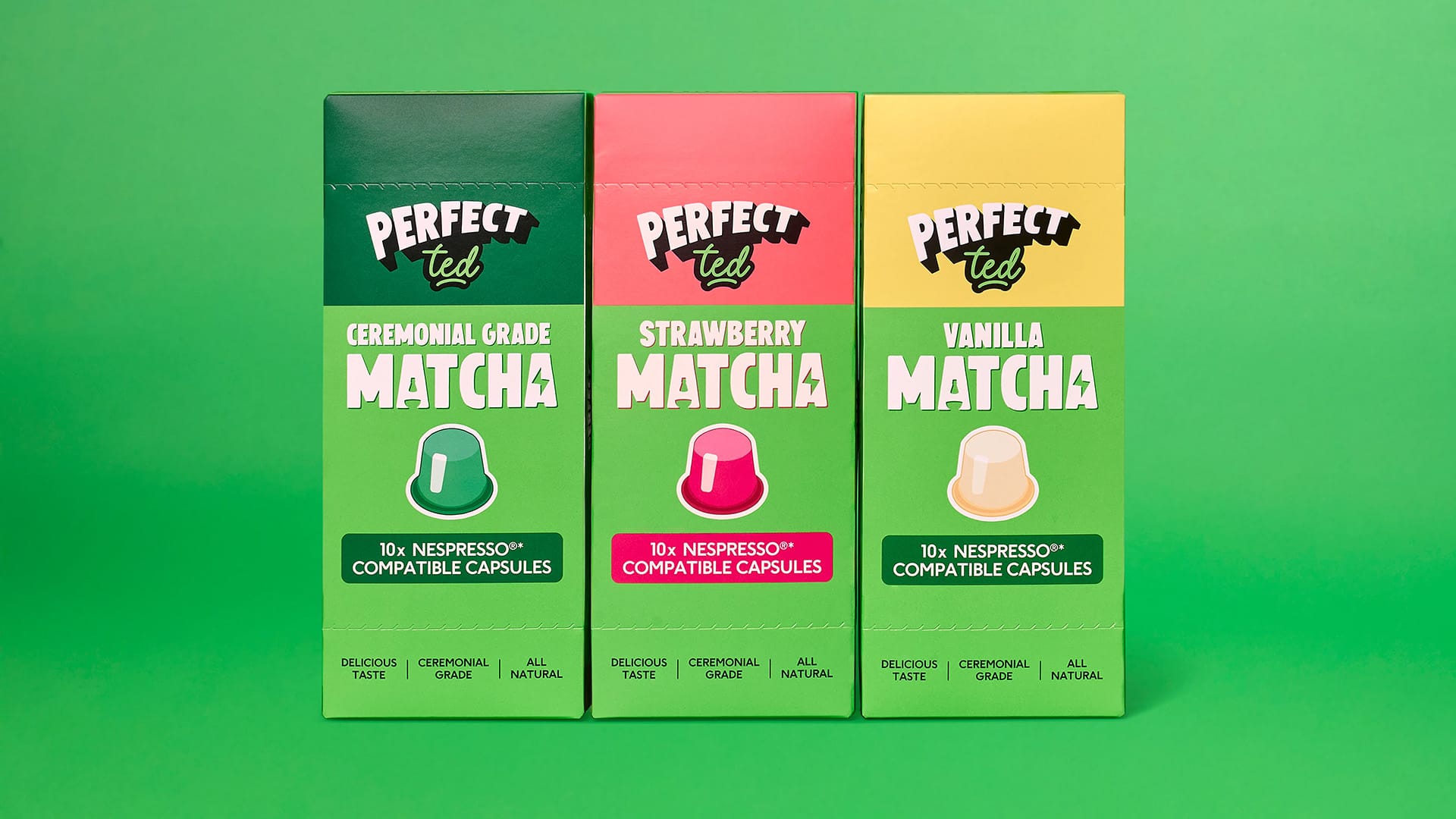
The name is weird. PerfectTed sounds more like a Care Bears character than a matcha brand. But look past it and there's a business making genuinely interesting decisions.
Founded by three twenty-something housemates who quit finance jobs because matcha made them feel good (a sentence that could only exist in 2021), PerfectTed has grown into the UK's fastest-growing tea brand, with listings across every major British supermarket and early footholds in Europe, the Middle East and Australia. That trajectory alone makes it worth studying. But what caught our attention isn't the growth story. It's the range.
The most interesting thing PerfectTed has done is build a product range that works like a consumer journey. Not ready to whisk anything? Grab a can from the Tesco meal deal. Curious but lazy? Drop a pod in your Nespresso machine. Getting into it? Here's a flavoured powder. Ready to buy a bamboo whisk and start posting about it? Ceremonial grade, sourced from Japan.
This matters because matcha still has an adoption problem. Most people know it's good for them. Far fewer know what to do with it. The typical brand response is to educate: explain the origins, the antioxidants, the ceremonial preparation, perhaps include a QR code linking to a seven-minute YouTube tutorial nobody will watch. PerfectTed skips the lecture and hands you a ready-to-drink can instead. Education through experience, not explanation.
Critically, the entry point is designed to taste good before it's designed to educate. The cans lead with "Healthy Energy" and fruit flavour names like Juicy Peach and Apple Raspberry, not antioxidant counts or ceremonial grade sourcing claims. That's a deliberate choice. Most wellness brands treat the front of pack like a nutritional CV. PerfectTed treats it like a reason to pick it up. If that £1.75 can tasted like a lawn clipping dissolved in hot water, the ladder collapses. Nobody trades up from a bad first experience. Get the entry point right, and the step to a pod or powder six months later feels logical.
A consumer who starts with an energy drink might never have bought a £25 tin of ceremonial matcha on day one. That's like asking someone who just discovered wine to start with a Mascarello Barolo or Gravner Ribolla. The range architecture creates a natural trade-up path. That's brand-building through product design, not media spend.
In a market full of brands that launch a single product and hope for the best, that kind of range thinking is rare, and worth paying attention to.
Kraft Mac & Cheese PowerMac 👎 👎
A proteinification fail
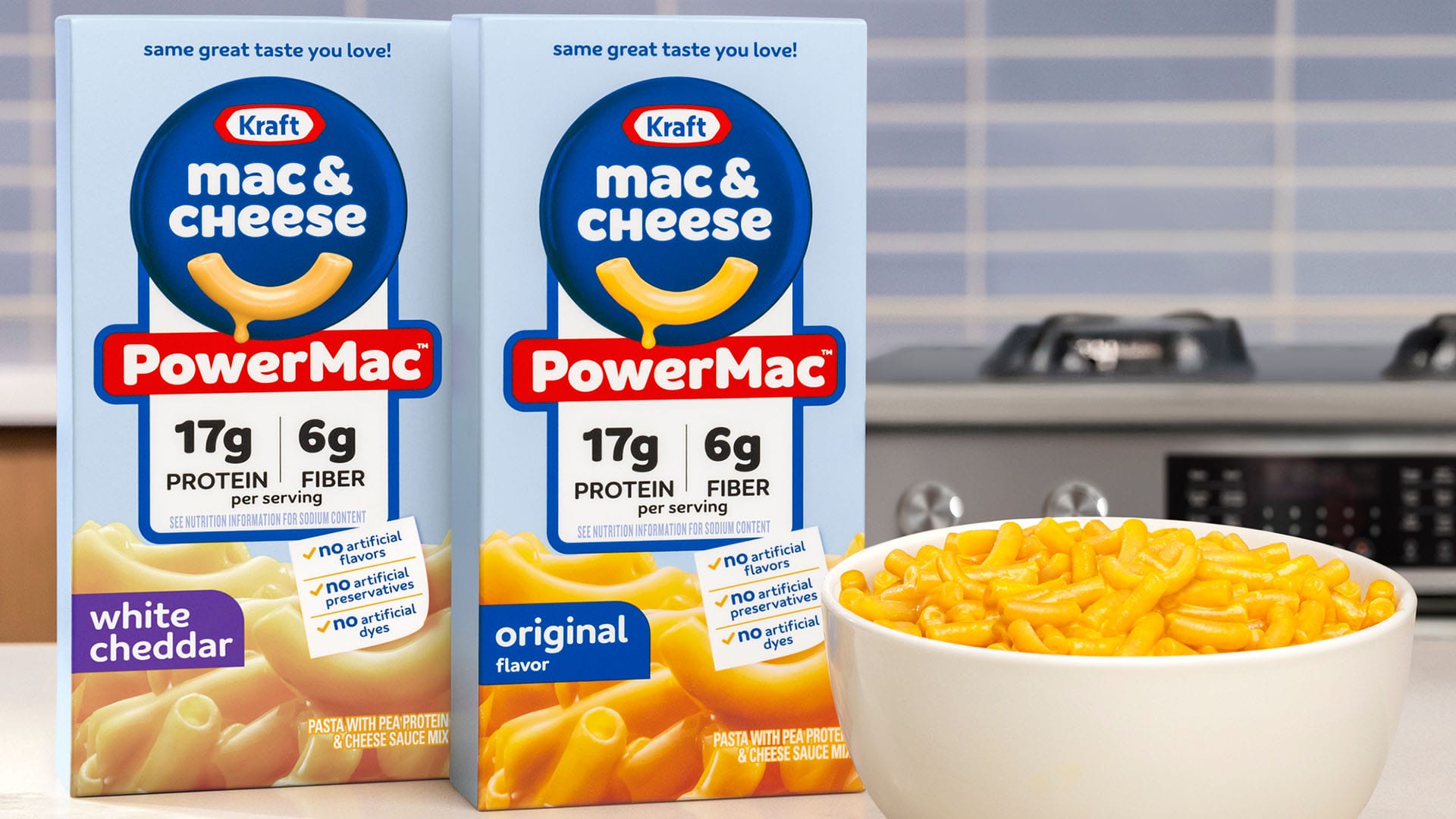
Kraft Mac & Cheese is a gift that keeps on giving. Our last Quarterly Crit put their muddled plant-based variant under the microscope. This time around the classic American staple is unconvincingly chasing yet another trend.
We're of course talking about proteinification. Every post coming out of Expo West in early March seemed to say the same thing: protein was everywhere. Sadly much of it was brand slapping "protein" on pack and calling it innovation. In other words, lazy marketing instead of genuine trend spotting.
The senior director of marketing for Kraft Mac & Cheese calls it a consumer-obsessed brand who “developed PowerMac for consumers who want more from their everyday meals without compromising on great taste”. Show us an American consumer who is desperately seeking a tasty, everyday protein-fuelled meal? They can’t move in a supermarket aisle without being hit with a barrage of protein claims.
Kraft Mac & Cheese’s power lies in its comfort, its reliability, its iconic assets—the lifting spoon, the smiling macaroni, the unmistakable cheese. Those are the equities worth figuring out how to evolve against modern consumer needs and investing behind. Sure, adding protein will boost short-term sales. But it does nothing to build the brand for the future. As Kraft’s own CEO Steve Callihane says, “brands in the consumer space need investments, or they will wither.” Protein claims aren’t investment. They’re just noise.
Contrast that with Danone's agreement to acquire Huel, a category-building brand in the nutrition space that didn’t treat protein as a magic sticker but instead built a business around real consumer needs. Equally a fully plant-based brand, Huel never hinged its success on the plant-based trend either. It identified a genuine gap, delivered products built for that need, and created a culturally relevant brand. That long-term, consumer-first discipline is what made Huel worth roughly €1 billion to Danone.
Brands win when they do the hard work Huel did: solve a real consumer problem, build distinctiveness, and stay disciplined. Everything else is just chasing the latest fad.
PepsiCo Flavor Swap Chips 👎 👎
Two gimmicks don't make innovation
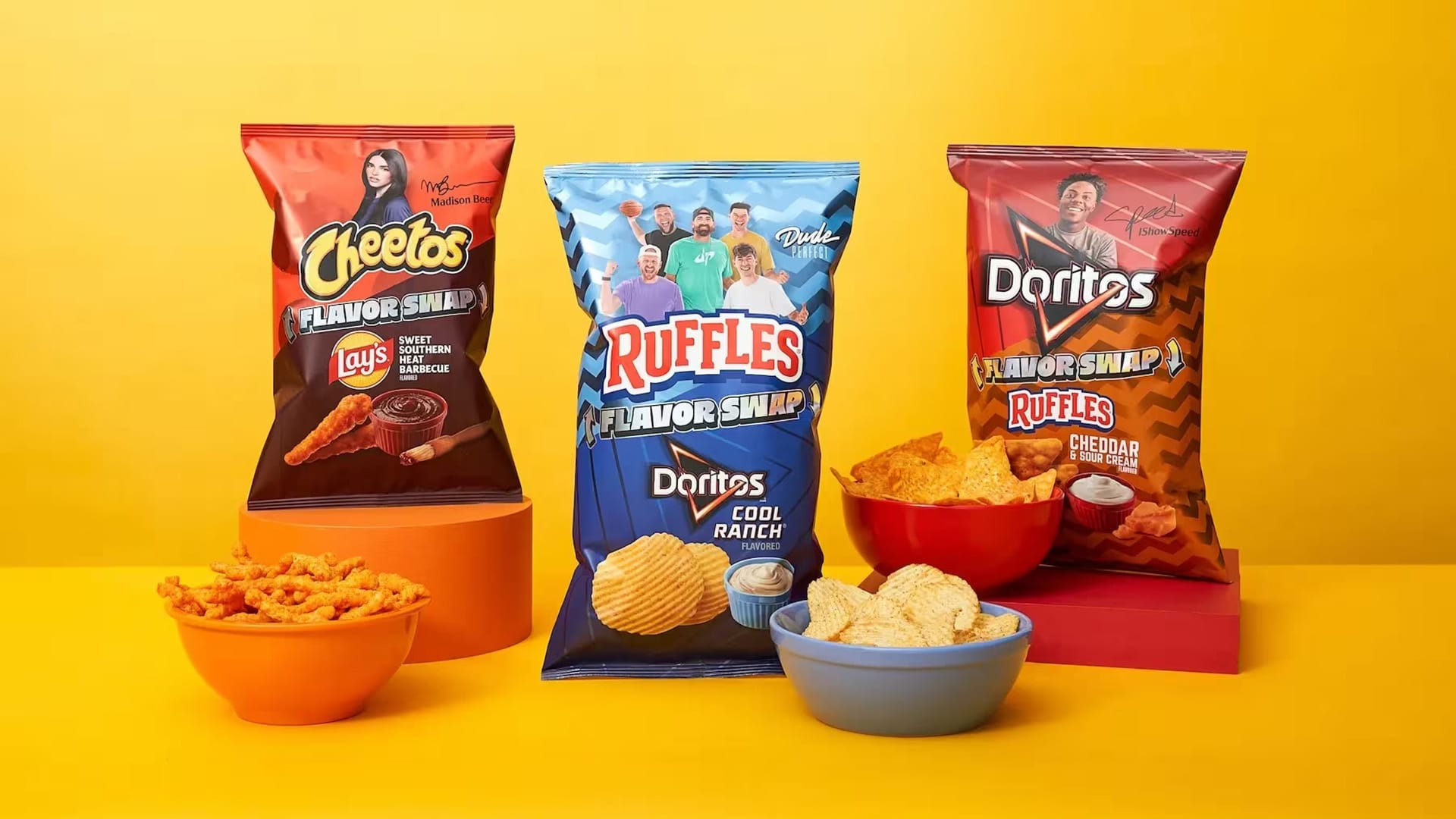
Rivalling protein claims on the lazy-marketing chart are wacky flavors. We’ve said it before and we’ll say it again: superficial flavor collabs masquerading as innovation aren’t addressing the real shift consumers are looking for from their food. They won’t bring growth back to categories that are losing volume.
Perhaps PepsiCo realized this, which may explain why they’ve launched their “Flavor Swap” chips with an added dose of creators, who get to star on the packaging in exchange for promoting the product to their followers. For a generation that’s seeking authenticity, these tie-ins feel anything but. Two competing concepts, flavor swap and creator-led marketing, are vying for attention. No matter how much the Dude Perfect team insists this resolves the eternal debate of Ruffles vs. Cool Ranch Doritos, discerning fans aren’t likely to buy it.
The flavor swap bags will no doubt get their five minutes of fame on social channels, but the marketing and product teams’ time might be better spent on innovation that actually moves the needle in attracting younger consumers to their brands.