UNSTUCK 035: Future of Food London Hot Takes
Don't choose between impact and commercial success, but figure out how to make one enable the other.


We've been quiet in your inbox lately. Not because we're slowing down, but because we're gearing up. Exciting things are in the works for 2026. Stay tuned.
But first, let's talk about November.
Future of Food London: Where Reality Met Optimism
The UK's top visionaries shaping tomorrow's food landscape gathered at The Royal Geographical Society in London at the end of November, for the second year of this must-attend event. 221 entrepreneurial food industry businesses applied to showcase their work. 16 made the cut.
What did they have in common? They all understand something crucial: food system change doesn't happen by being virtuous. It happens by deeply understanding the intersection of consumer and customer needs, supply and production methods. It happens by being better.
Here are our top three hot takes from the day on how to get food unstuck and what to learn from those who are getting the most traction.
Takeaway 1: The Future = Health of People AND Planet
The problem we're facing is massive, but you already knew that. Nevertheless it lands differently when you see it all over the course of one afternoon and in the context of the UK alone:
- Obesity has increased 30x since the 1950s.
- Food causes £260 billion in avoidable healthcare costs annually.
- Food production is the #1 driver of biodiversity loss.
- One in five people experience food poverty. Meanwhile, we waste a third of what we produce.
- 87% of toddler snacks are ultra-processed.
But flip that around: food is also our biggest opportunity for health. Human health and planetary health are two parts of the same conversation. We've got a lot of work to do.
Takeaway 2: Change Is Coming Whether You're Ready Or Not
Henry Dimbleby, the author of Ravenous and someone who doesn't traffic in hyperbole, quoted a major supermarket CEO:
"The next 10 years will be the most disruptive in our industry since wartime rationing."
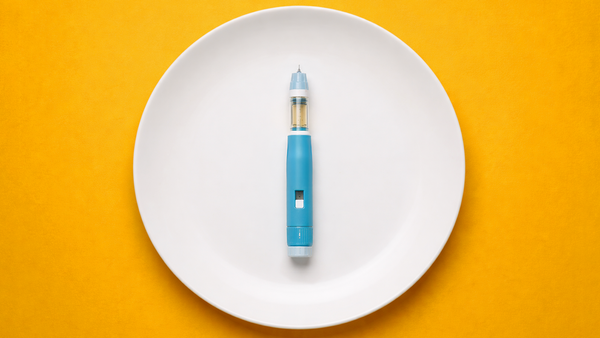
So what's driving this disruption? First is the growth of appetite suppressants. They've reached in two years what it took statins 17 years to achieve, and at a much higher cost. Whether you want to take them or not, suddenly society is thinking about food differently. What they eat, when, and how it impacts them.
Then at the same time we're facing climate and geopolitical shocks. Eggs. Cocoa. Coffee. Grains. When your supply chain gets wrecked by weather or wars, you can't just keep doing things the old way. The big multinationals are starting to figure this out and act.
But here's the thing: the room wasn't full of doom and gloom. It was buzzing. Because if you're building a business to disrupt the food system this is your moment.
Takeaway 3: Winners Deliver On Consumer Needs AND Scaleable Impact
When it came to the awards, the judging panel aren't interested in virtue. They picked businesses who solved problems for real people AND showed how they could scale the impact.
Take Wildfarmed. They won silver, but were our pick for exemplifying how you drive change across the food system at scale. Here's what they've been doing right:
- They changed how farming works. Regenerative wheat, oats, and barley. Better for soil, biodiversity, water, carbon. They guarantee farmers a premium price to make the switch worth it.
- They went B2B first. Leading bakeries, restaurants, breweries. That's how you get scale quickly, not by convincing one consumer at a time to care about soil health.
- Then they built a consumer brand. Bread and flour in supermarkets. Because once you've got distribution, you can start telling the story directly.
- They partnered with the cool kids. Contemporary brands that are changing their categories. The kind of collaborations that put regenerative farming at the center of food culture, not on the fringe.
This is how you get food unstuck. Not by asking people to sacrifice. But by making what's better for the planet also better for their everyday sandwich.
So where does this leave us?
Four years of hearing "sustainable food is dead" takes a toll. But we've always believed it's not dead, just stuck. Lots of clever solutions and good intent, lacking consumers. Last week felt different. The energy in that room came from winning businesses being built right now. Ones that don't choose between impact and commercial success, but figure out how to make one enable the other.
Let's get food unstuck.